The Rise of Artificial Intelligence in Software Development
Summary
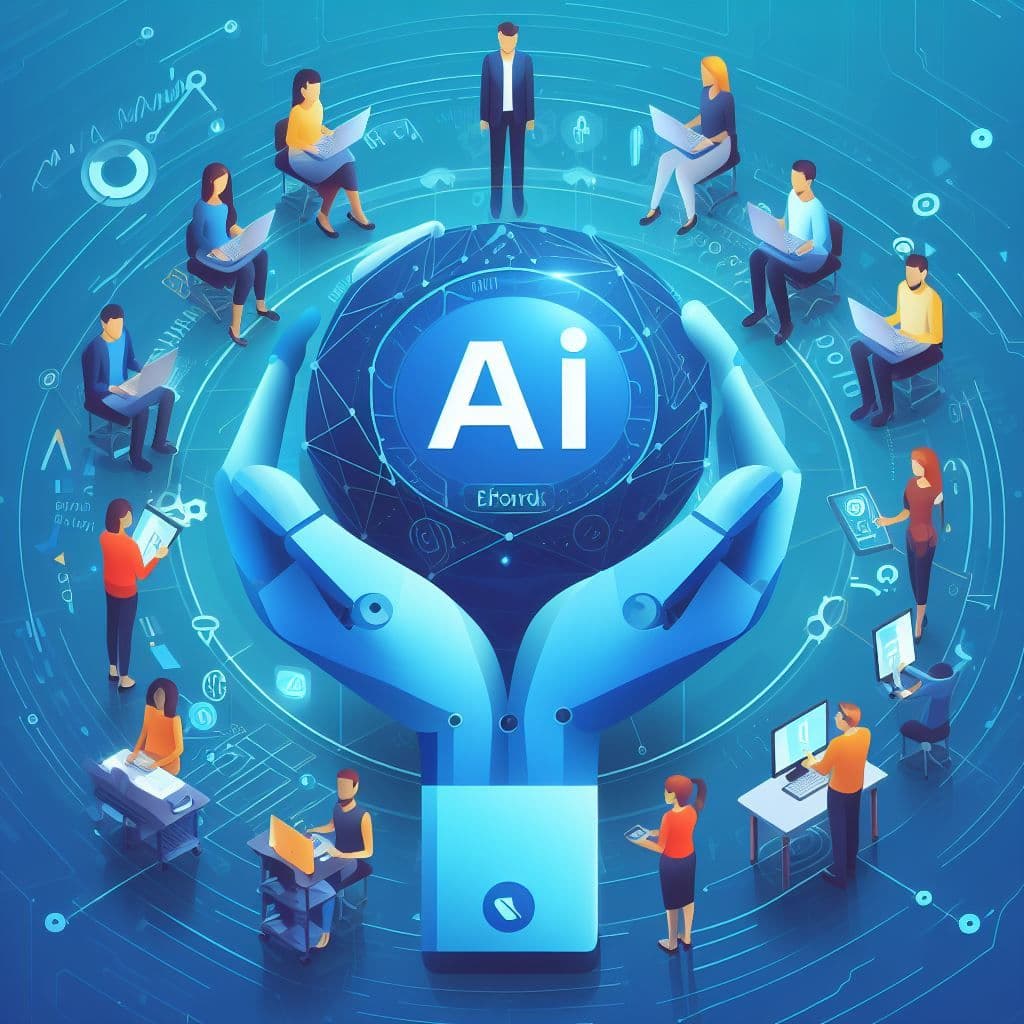
Artificial intelligence is no longer just a buzzword; it has become a transformative force in the field of software development. From automating repetitive tasks to providing intelligent code suggestions, AI is changing how developers work.

Ilsa Ubaid
A Next js Developer and Passionate Lead Student of GIAIC and PIAIC.
The Impact of Artificial Intelligence on Software Development
Artificial Intelligence (AI) has become a game-changer in the software development industry, enhancing productivity, improving quality, and reducing the time required to deliver complex applications. From automating tedious tasks to assisting with decision-making, AI is transforming every phase of the software development lifecycle. This article explores how AI is shaping the future of software development and the ethical considerations that come with its adoption.
AI-Assisted Coding and Debugging
One of the most significant advancements AI has brought to software development is in code generation and debugging. Tools like GitHub Copilot and ChatGPT are now assisting developers by:
- Writing Code: AI-powered tools can auto-complete code, suggest improvements, and even generate entire code blocks based on minimal input. This speeds up the development process and reduces the cognitive load on developers, allowing them to focus on higher-level problem-solving.
- Debugging: AI can analyze code and pinpoint potential bugs or issues more efficiently than traditional manual debugging. It can even suggest fixes based on common patterns, saving time spent on finding and resolving errors.
- Code Reviews: AI tools can review code for best practices, performance optimizations, and security vulnerabilities, ensuring that developers adhere to coding standards while minimizing errors.
Machine Learning-Based Testing
AI is also making waves in software testing by introducing machine learning-based techniques to identify bugs and issues more effectively:
- Pattern Recognition: AI tools can analyze large volumes of test data and identify patterns that are indicative of bugs or performance issues. This enables early detection of problems that might be overlooked during traditional manual testing.
- Predictive Testing: AI can predict which areas of a codebase are most likely to break or fail under certain conditions. This allows development teams to focus their testing efforts on high-risk areas, ensuring better coverage and faster deployment times.
- Automated Test Generation: AI can automatically generate test cases based on the code, reducing the need for manual test creation and ensuring more thorough testing of different scenarios.
Predictive Analytics for Software Development
Another benefit of AI in software development is its ability to predict potential issues before they arise. Through the analysis of historical data, AI can:
- Identify Potential Problems: By analyzing past projects, AI can predict when certain components or modules are likely to fail based on historical performance. This proactive approach helps developers fix issues before they impact users.
- Optimize Resource Allocation: AI-driven analytics can predict resource usage patterns and help teams allocate their resources more effectively, reducing wasted time and effort.
- Improve Project Management: AI can assist in tracking project progress and identifying potential delays or bottlenecks in the development process, helping teams stay on schedule and within budget.
Ethical Considerations in AI-Powered Development
While AI offers significant advantages, its widespread use also raises several ethical concerns that developers and organizations need to address:
Data Privacy
AI often requires access to vast amounts of data to function effectively. Ensuring that this data is collected, stored, and used ethically is crucial. Developers must ensure compliance with data privacy laws such as GDPR and ensure that sensitive data is handled securely.
Bias in Algorithms
AI models are only as good as the data they are trained on. If the training data is biased or incomplete, AI systems may produce biased or discriminatory results. Developers need to be aware of this risk and take steps to eliminate bias in their models, ensuring fairness and inclusivity in AI-driven decision-making.
Accountability and Transparency
As AI becomes more integrated into software development, developers and organizations must ensure transparency in how AI models make decisions. It is essential that users can trust AI-driven systems, and that developers can explain the rationale behind AI's decisions.
The Future of AI in Software Development
AI’s role in software development is still evolving, but it is clear that its influence will only grow in the coming years. AI will likely play an even greater role in automating routine tasks, optimizing development processes, and enhancing software quality. However, as AI takes on more responsibilities, developers must ensure that they remain in control and that AI serves as a tool for empowerment, not dependency.
The future of AI in software development will be about collaboration between humans and machines, where AI handles repetitive tasks and assists with complex problem-solving, while developers continue to provide creativity, innovation, and ethical oversight. By embracing AI responsibly, developers can build more efficient, reliable, and user-friendly software while addressing the ethical challenges that come with its integration.
Conclusion
AI is revolutionizing software development by improving coding efficiency, automating testing, and providing predictive insights that can optimize project management. However, with these advancements come ethical considerations that must be addressed, such as data privacy, algorithmic bias, and accountability. As AI continues to evolve, developers will need to adapt to its integration across all stages of development, ensuring that AI remains a tool for innovation and empowerment rather than a dependency.
Leave a comment 💬
All Comments
test 12/31/2024, 5:43:27 PM
testing123...
Syeda Ilsa 12/31/2024, 3:37:50 PM
tokentokentokentokentoken